
About
Silver jewelry, ornaments, and silverware are traditionally made from Sterling Silver. Sterling Silver is an alloy composed of 92.5% silver and the remainder 7.5% other metals, usually copper. Items made from Sterling Silver are usually engraved with the letters 925, which indicates that it is 92.5% silver.
Sterling Silver is harder and more durable than pure Silver. Sterling Silver jewelry is sometimes plated with an extremely thin layer of pure silver to provide an extra shine. Vermeil, which is used in jewelry, is Sterling Silver coated with a thin layer of Gold or occasionally Platinum. It is an inexepensive alternative to those valuable metals it is coated with.
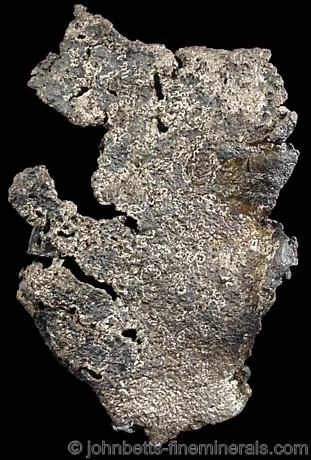
Silver is notorious for its habit of tarnishing. Fresh Silver has a bright-metallic-white color, but almost invariably turns yellowish to blackish upon continuous exposure to air. This is caused by a chemical reaction of the silver to sulfur compounds present in the atmosphere. The only way to prevent this effect is to glaze the silver with an anti-tarnish coat. Silver should also be kept away from eggs, which are rich in sulfur. Tarnished silver can easily be restored to its original color by using tarnish-removing chemicals that are readily available.
Advertisement
Uses
Varieties
✓ generally accepted · ✗ less commonly used
- Britannia Silver— Silver that is alloyed with a maximum of 5% other metals. Brittania Silver is at least 95% pure and is more pure than Sterling Silver.
- Sterling Silver— Silver that is 92.5% pure, with the remainder 7.5% alloyed with other metals to increase durability.
- Vermeil— Sterling Silver with a thin coating of Gold or Platinum.